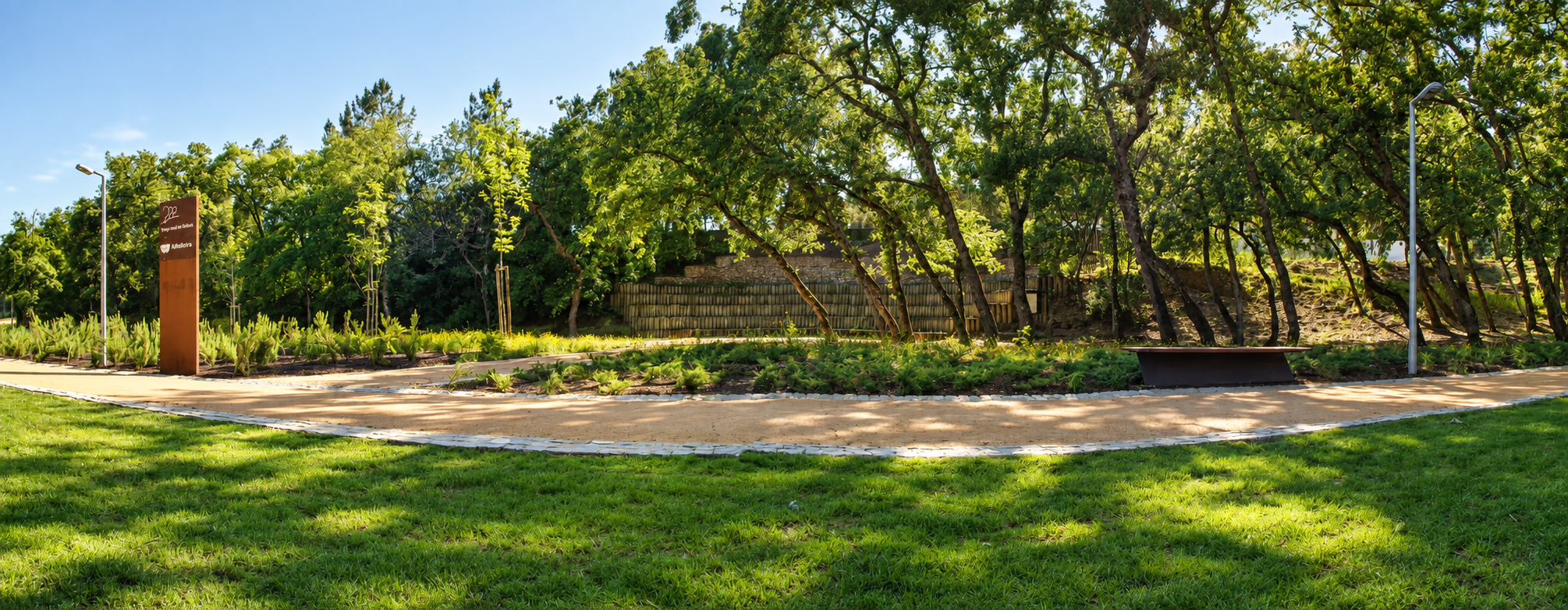
A panorama of Parque Verde do Bonito, with the amphitheatre in the centre.
Médio Tejo, Portugal

Places to visit

Find the city’s main sights, from the National Railway Museum to historic neighbourhoods, parks and local culture.

Original photograph ↗ · AI-enhanced photograph
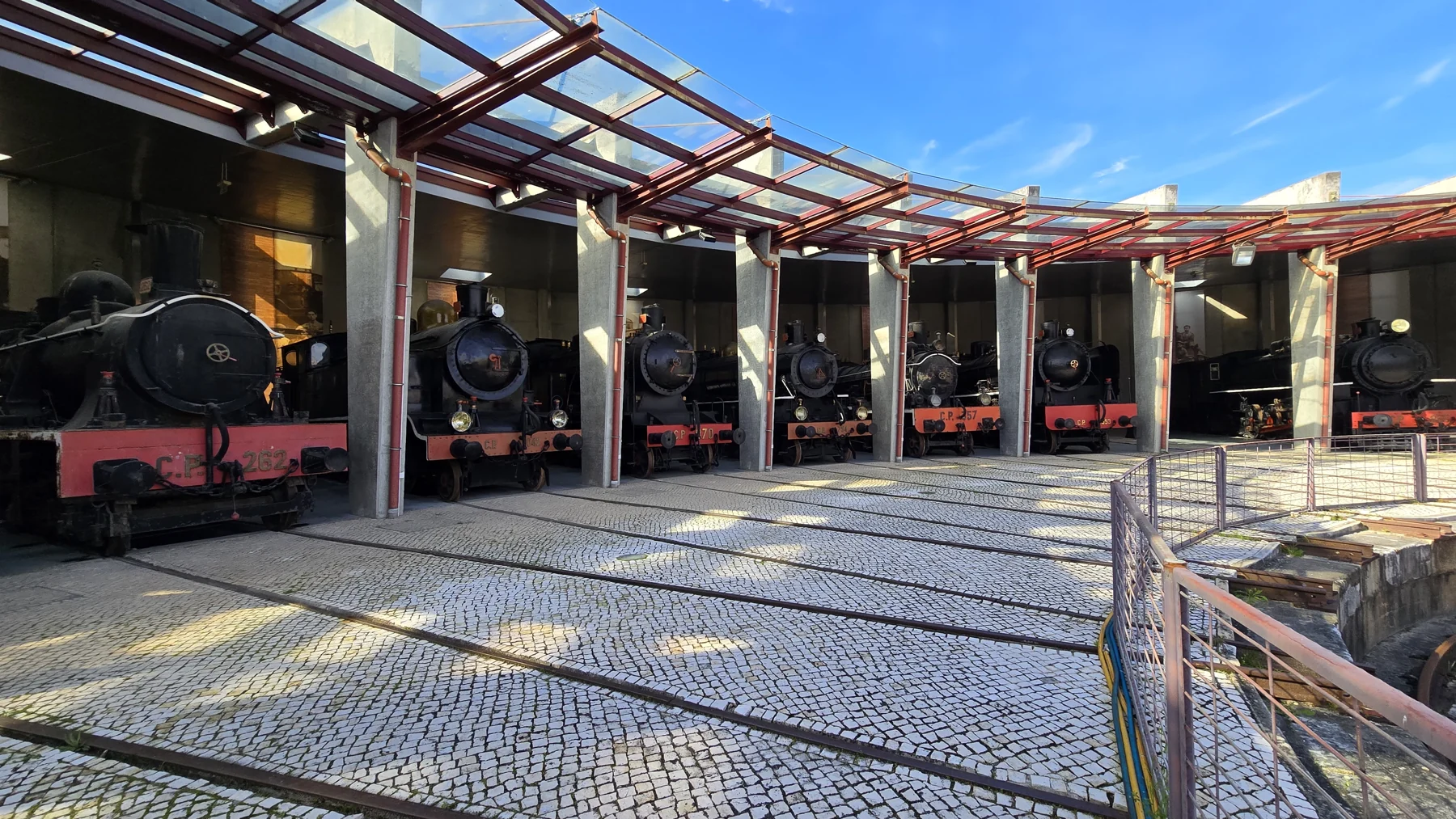
National Railway Museum

National Railway Museum

The Museu Nacional Ferroviário occupies a 4.5-hectare railway complex close to the station. Historic engines and carriages sit alongside tools, signs, documents and objects from the working life of the railway.

Highlights include the Royal Train and the Presidential Train. Together they reveal how travel, ceremony and technology intersected in Portugal’s history.

Museum hours & tickets ↗
Look for the details

More than locomotives

Signals, communications equipment, tickets and workshop tools show how a railway works as a system. Objects from catering and medical services reveal the human organisation behind the journeys.

[source]
Read the buildings

The complex is an exhibit

Notice the roundhouse, steam workshops, former provisions warehouse and power station. These structures explain maintenance, supply and everyday railway operations.

[source]
The railway neighbourhoods

Railway neighbourhoods

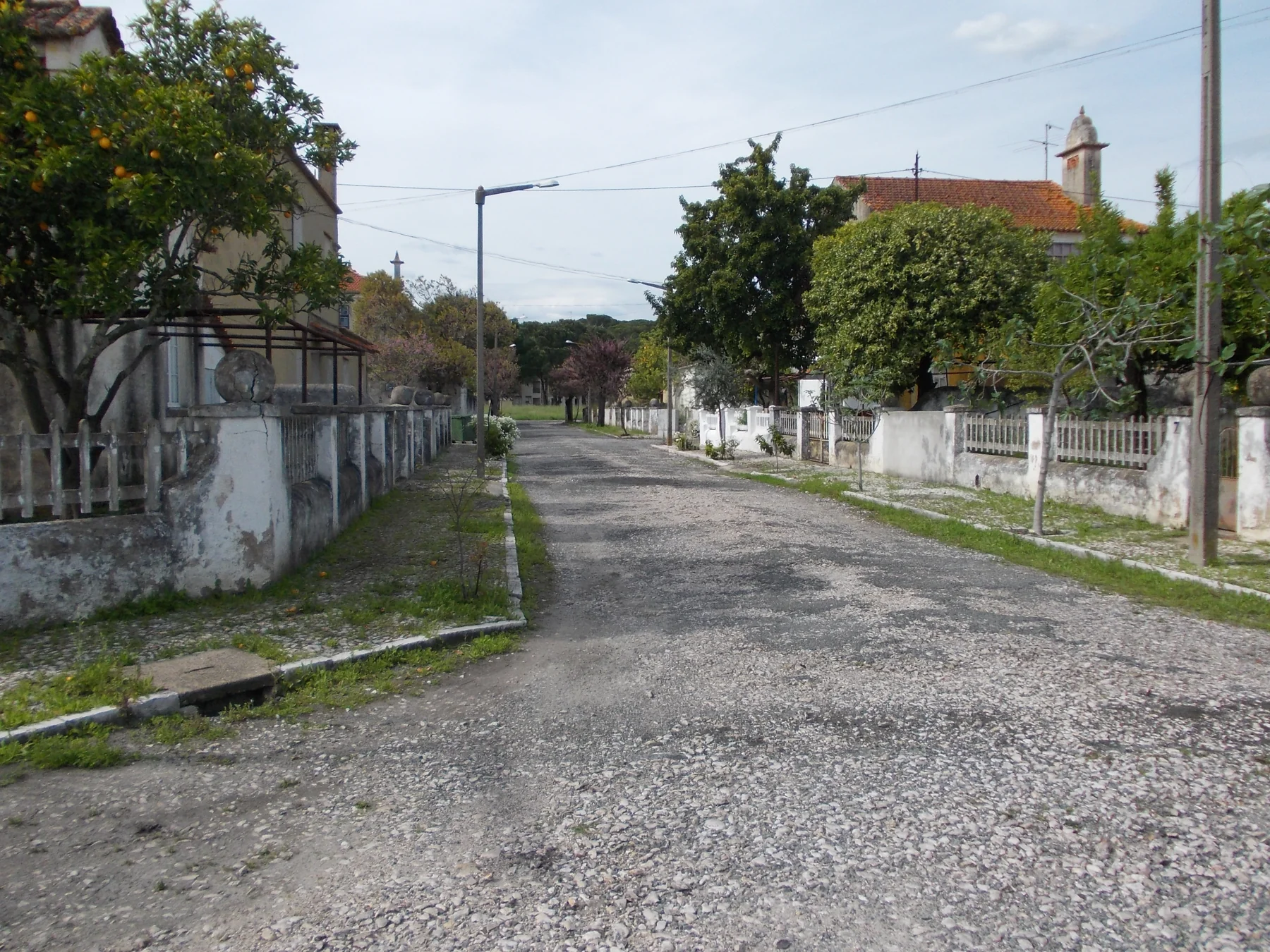
Bairro Camões brings together houses, gardens and a school in a planned railway neighbourhood of the 1920s. Vila Verde, first opened in 1919 and later extended, offers another view of this domestic landscape.

Bairro do Boneco and Bairro da Estação are also part of the city’s railway heritage. Walk the public streets, look at the buildings and remember that these are people’s homes.

The people behind the neighbourhoods ↗

Bairro da Estação

The surviving north wing has two-storey railway workers’ homes with small yards.

Bairro Vila Verde

Established in 1919 for railway staff, this neighbourhood still serves as housing after rehabilitation.

Bairro do Boneco

Homes arranged around a courtyard now form part of the setting for the railway museum’s documentation centre.

Bairro Camões

Cottinelli Telmo and Luís da Cunha designed this garden neighbourhood with 32 homes, combining detached and semi-detached houses.

Parks & gardens

Parks and gardens

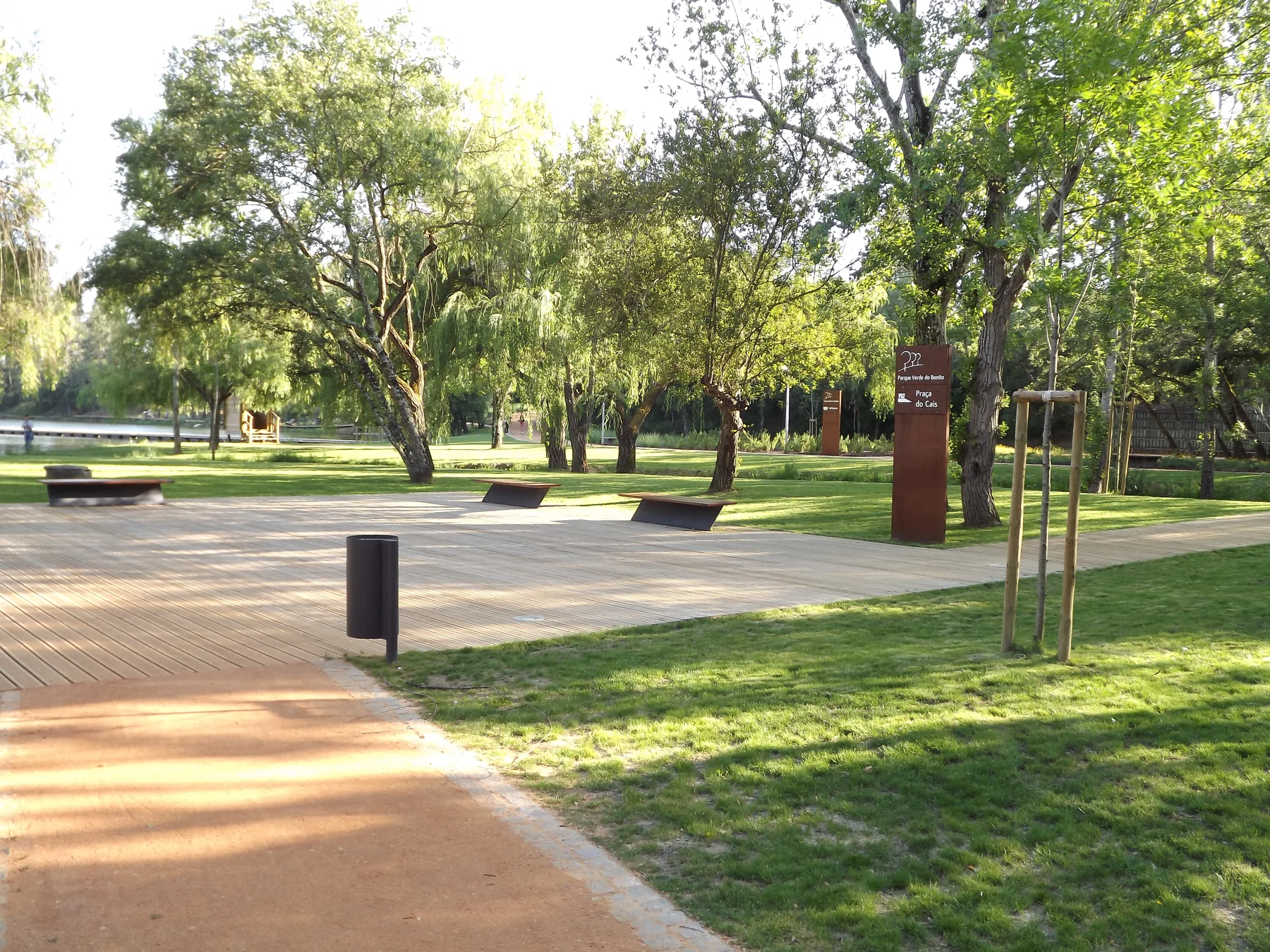
Parque Verde do Bonito, in the northern part of the municipality, is its largest green space. It makes a natural outdoor complement to the industrial heritage.

Within the city, Jardim José Pereira Caldas is known as Jardim da Aranha: its nickname refers to an iron spider in the greenhouse roof. Jardim Afonso Serrão Lopes, or Jardim da Zona Verde, is another established public garden.

Parque Verde do Bonito

A reservoir anchors this northern green space, with room for walks, cycling and picnics.

Jardim Parque Dr. José Pereira Caldas

Dating from 1934, the garden includes a bandstand, greenhouse, viewpoint and playground.

Jardim Afonso Serrão Lopes

Also called Jardim da Zona Verde, this early-1980s garden covers around two hectares and has a small artificial lake.

Streets & landmarks

City centre and landmarks

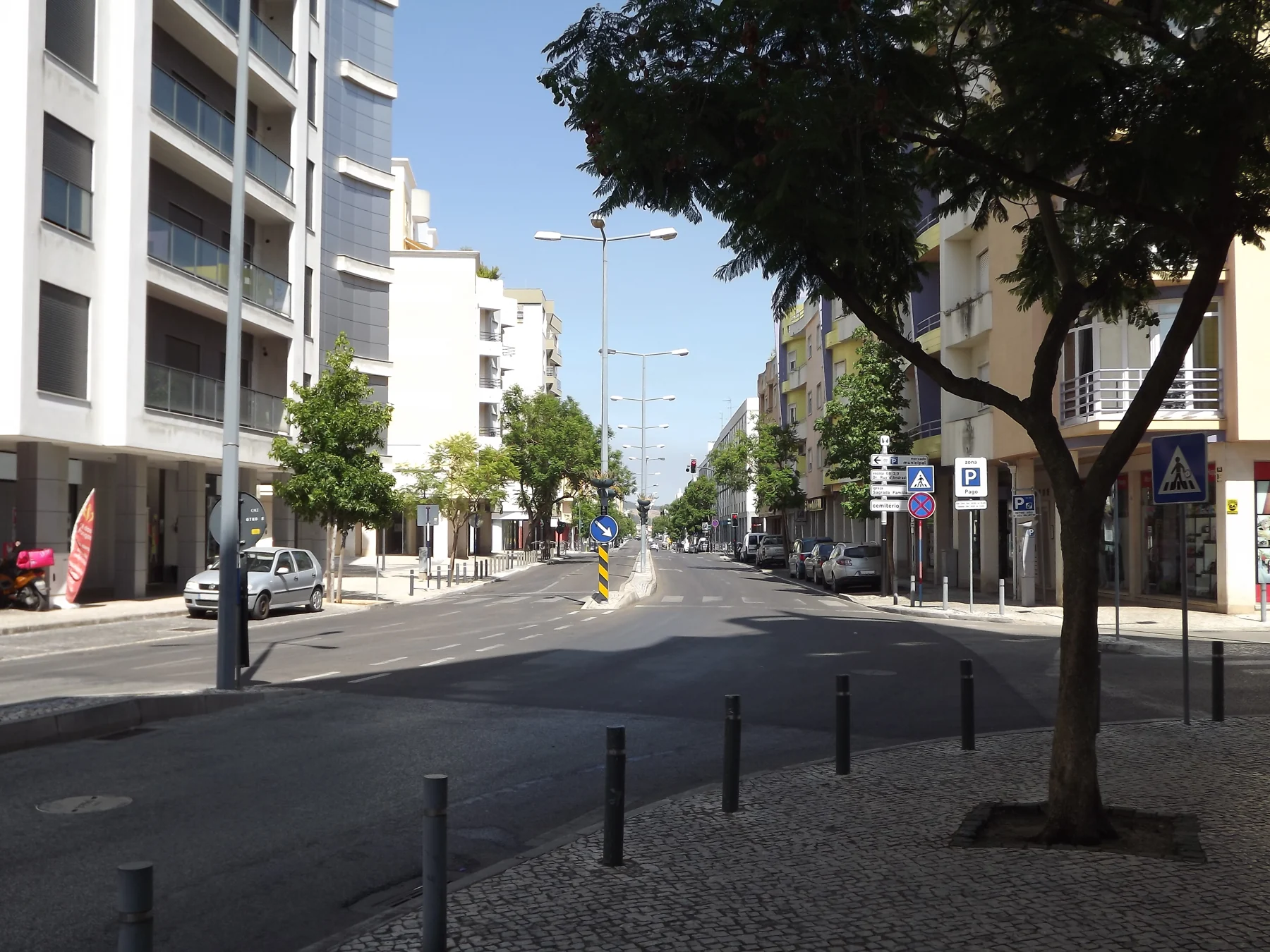
The station area, civic buildings and public gardens offer another way to understand the city: as a place where railway history meets ordinary daily life. Entroncamento’s identity is visible in neighbourhood scale as much as in major monuments.

The outdoor Locomotiva 094 is a familiar expression of this connection. Conservation work was announced in August 2026, so check local information before making it the focus of a visit.

Local tourism information ↗

Paços do Concelho

Work on the town hall began in 1936; the building was completed in 1946 at Largo José Duarte Coelho.

Capela de São João Baptista

This mid-17th-century chapel predates the railway town. Its bell hangs outside on the right-hand wall.

Chafariz das Vaginhas

Designed by Cottinelli Telmo, the fountain was inaugurated on 23 June 1933.

Igreja Matriz da Sagrada Família

Opened in 1940, the parish church is dedicated to the Holy Family.

Igreja de Nossa Senhora de Fátima

Opened on 30 April 1995, this church was designed by João Sousa Lino.

Culture and local events

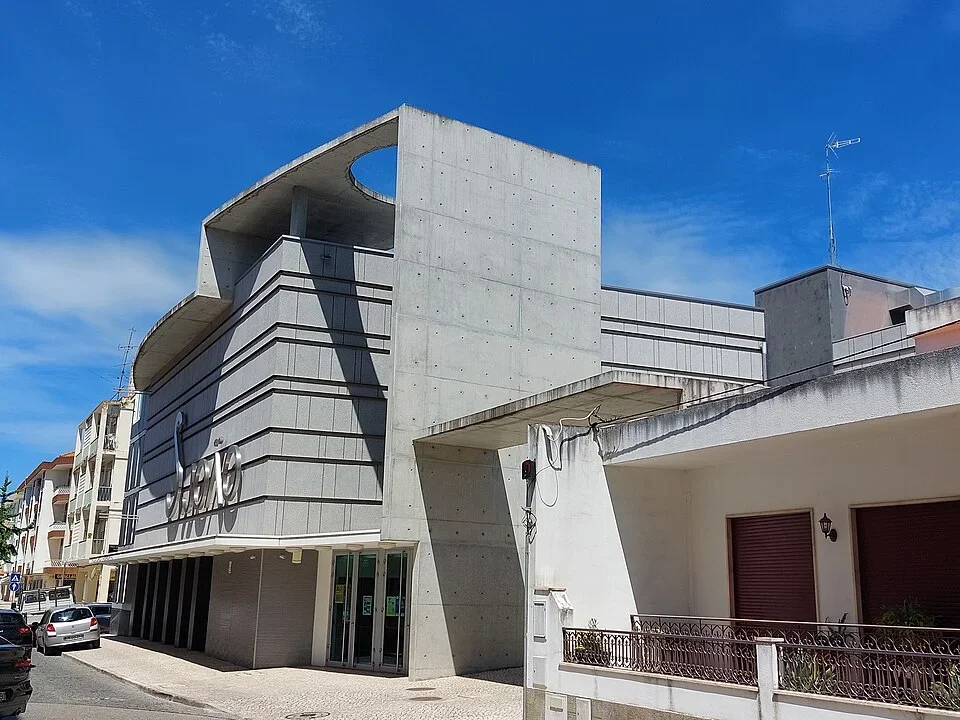
Cine-Teatro São João and its surroundingsCineteatro São João

São João & the city festivities

June brings the city’s principal celebration, with entertainment and community activity. Programmes change each year; follow the council’s calendar for the next edition. [source]

See the cultural calendar ↗

Festival Vapor

The railway museum becomes a setting for music, performance, cinema, literature and steampunk-inspired imagination. The festival connects industrial heritage with contemporary creativity. [source]

Cineteatro São João

The city’s cultural programme continues through the year with theatre, music, comedy and cinema. Check the live listings for performances during your visit. [source]

Local food

What to eat

Entroncamento’s food reflects the people who came here from different parts of Portugal.

Turismo de Portugal highlights dishes such as açordas, roast cod with smashed potatoes and feijoadas, alongside sweets including pão-de-ló and tigeladas. They belong to a shared Portuguese culinary tradition, rather than being inventions exclusive to the city. [source]

Make lunch part of exploring the city: its social history is present in ordinary tables and conversations, too.