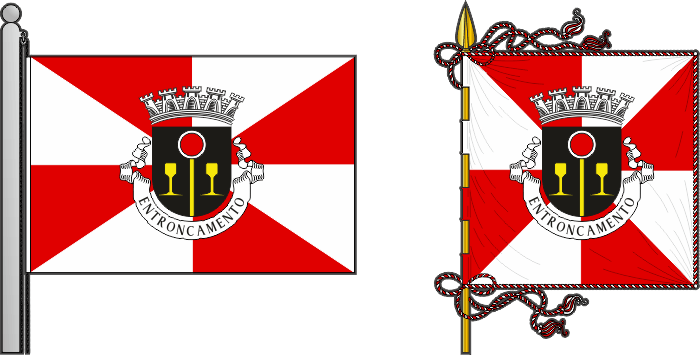
Municipal flag
The city flag has eight alternating red and white sectors, with the municipal coat of arms at its centre. The city version was published in 1992.
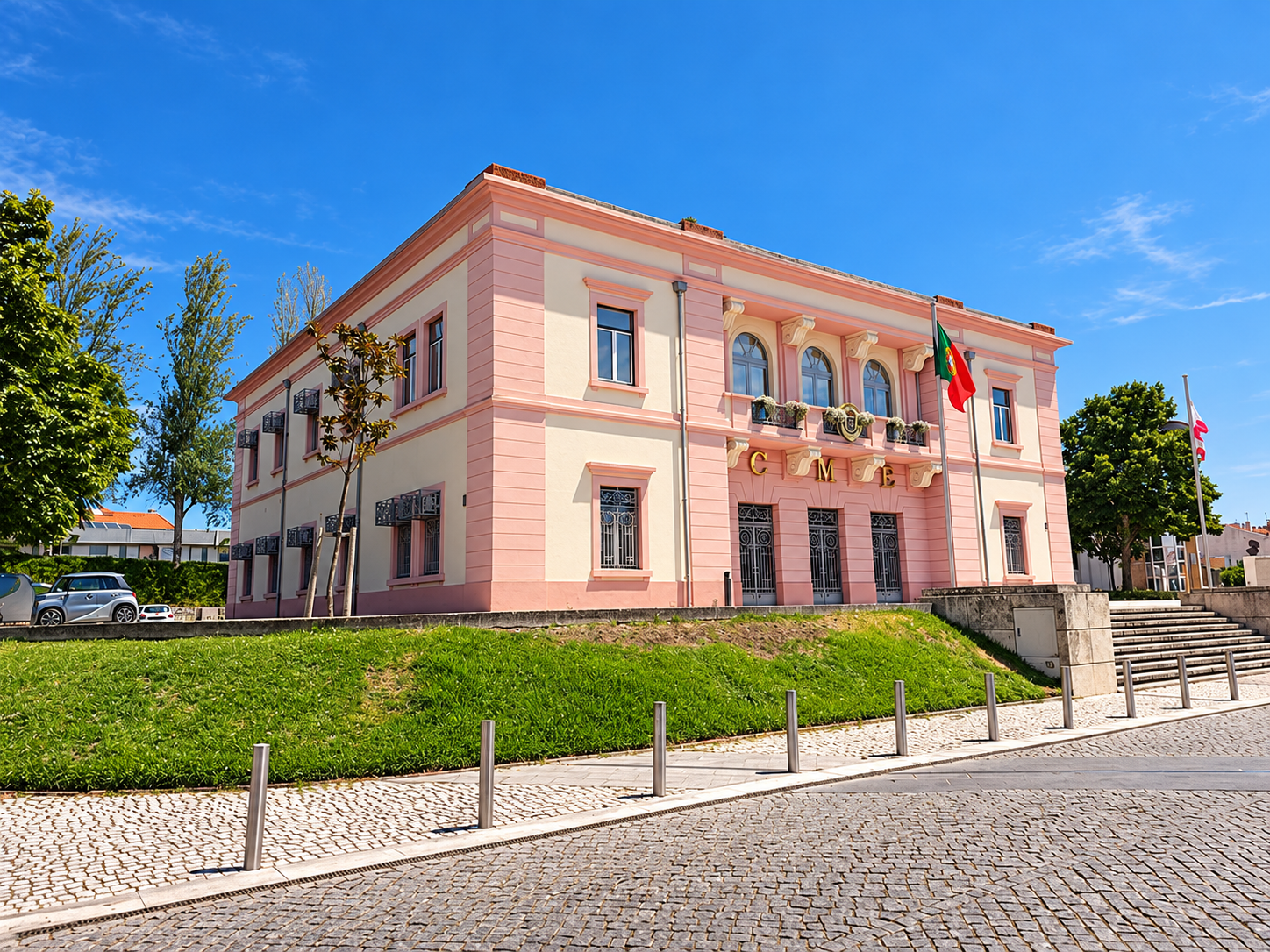
Discover the flag and coat of arms, their evolution from town to city, and the municipal leaders who have served Entroncamento.
The railway is at the heart of Entroncamento’s symbols, just as it is at the heart of its history.
The city flag has eight alternating red and white sectors, with the municipal coat of arms at its centre. The city version was published in 1992.
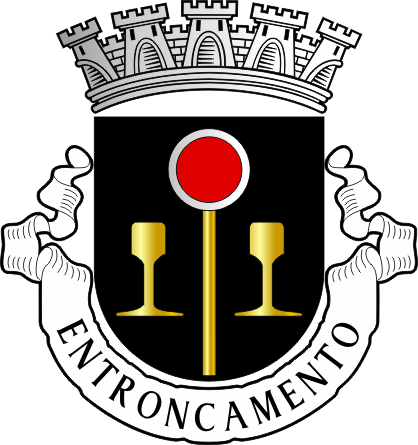
A black shield carries a red railway stop disc edged in silver, a gold staff and two gold rail profiles. A silver mural crown with five towers marks its city status.
The rail profiles recall the railway’s role in the settlement’s origins. The heraldic proposal used a front-facing stop disc to evoke a junction where trains had to halt. The crown expresses civic status; the shield’s railway design continued when Entroncamento became a city.
The historic and current versions share the same railway story. The crown and the arrangement of the flag distinguish them.
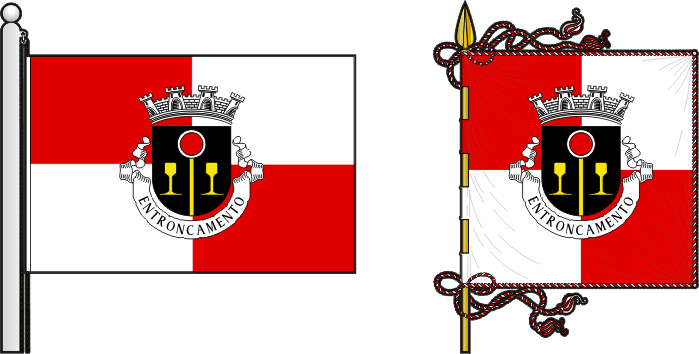
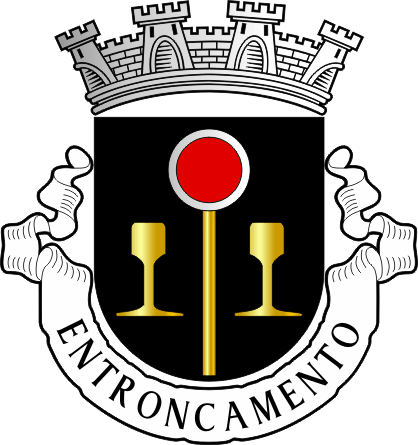
The town version used a quartered red and white flag and a four-tower mural crown.
Following city status in 1991, the revised heraldry used an eight-part flag and a five-tower crown. It was published in the Diário da República on 3 September 1992.
The city also uses a contemporary graphic identity, announced on 22 May 2024 and inspired by its railway connection. This communication brand is distinct from the historic flag and coat of arms shown here.
Read about the 2024 visual identity ↗
Nelson José Estrela Lopes Cunha
Municipal mandate: 2025–2029.
Current officeholder checked in September 2026.
The chronology includes appointed presidents, transitional commissions and elected councils. Differences between historical registers are explained in the biographies. Exact dates are shown where documented.
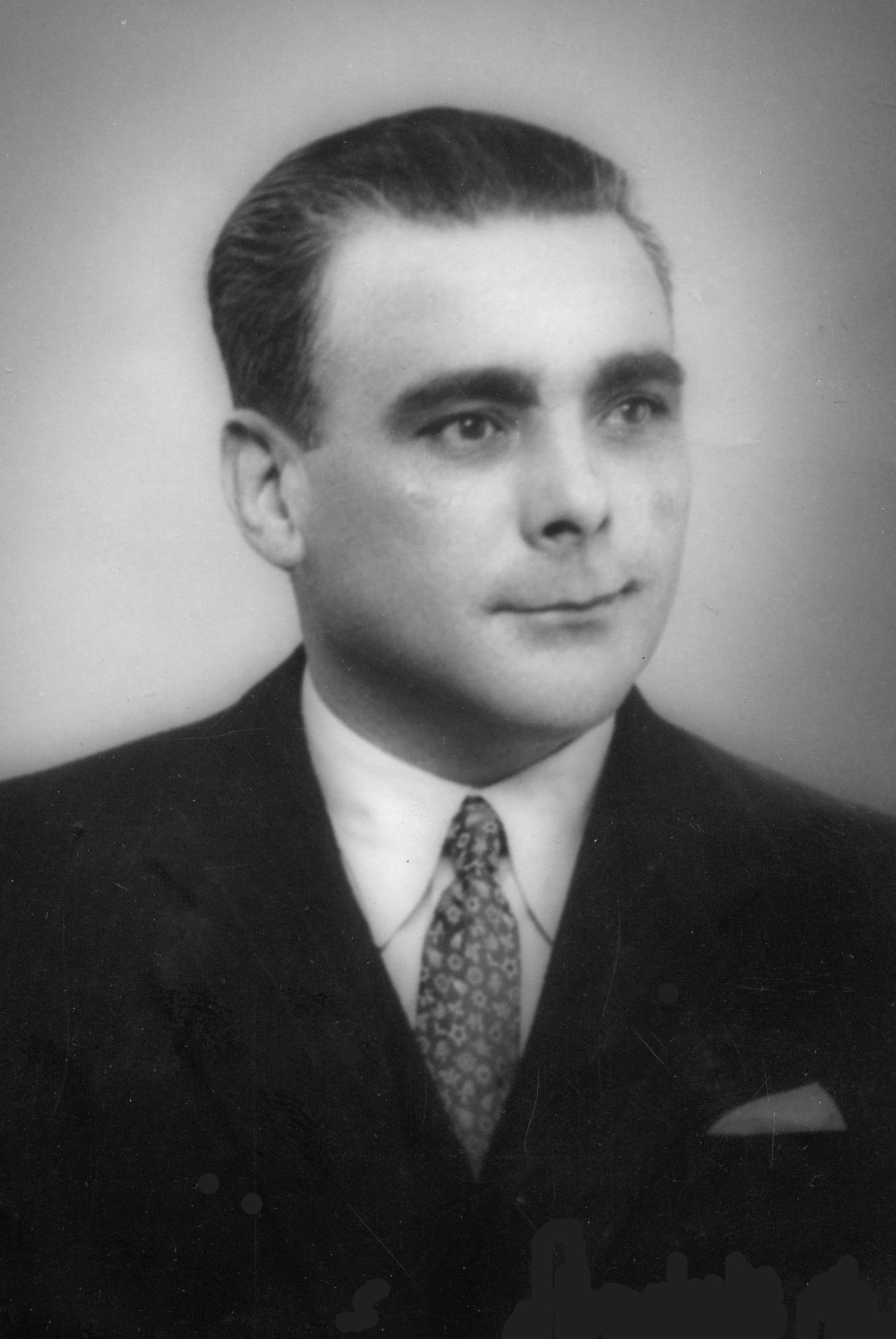
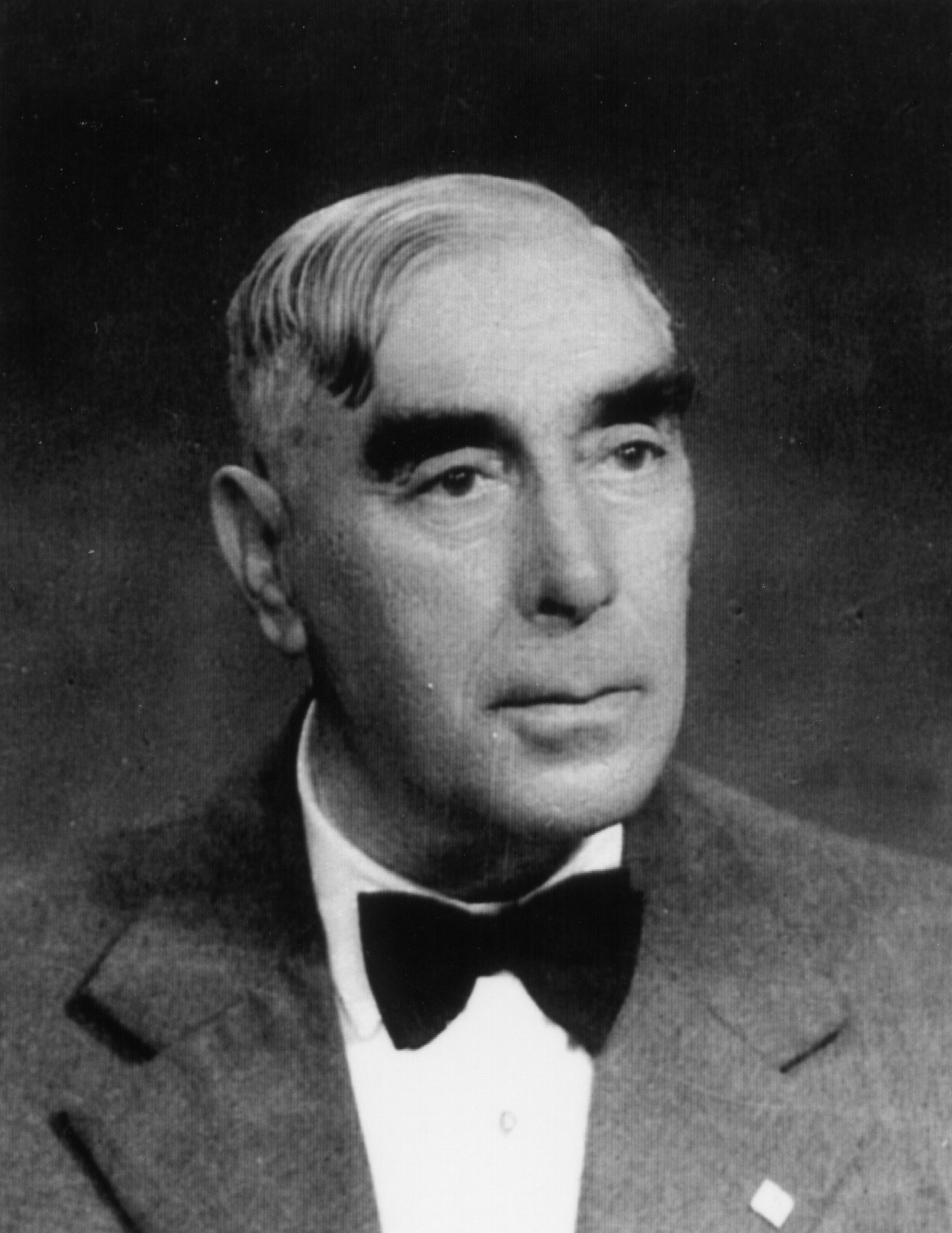
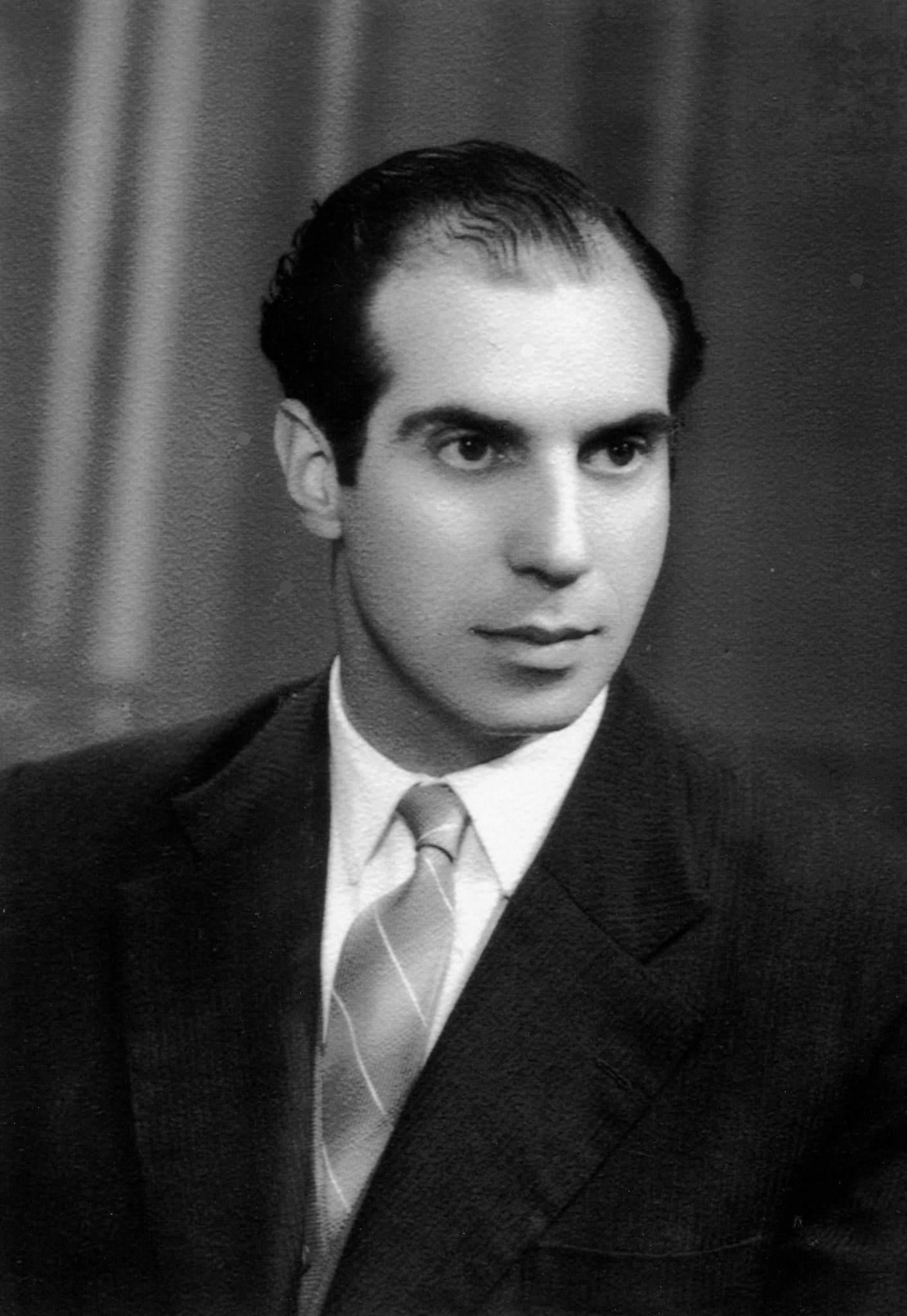
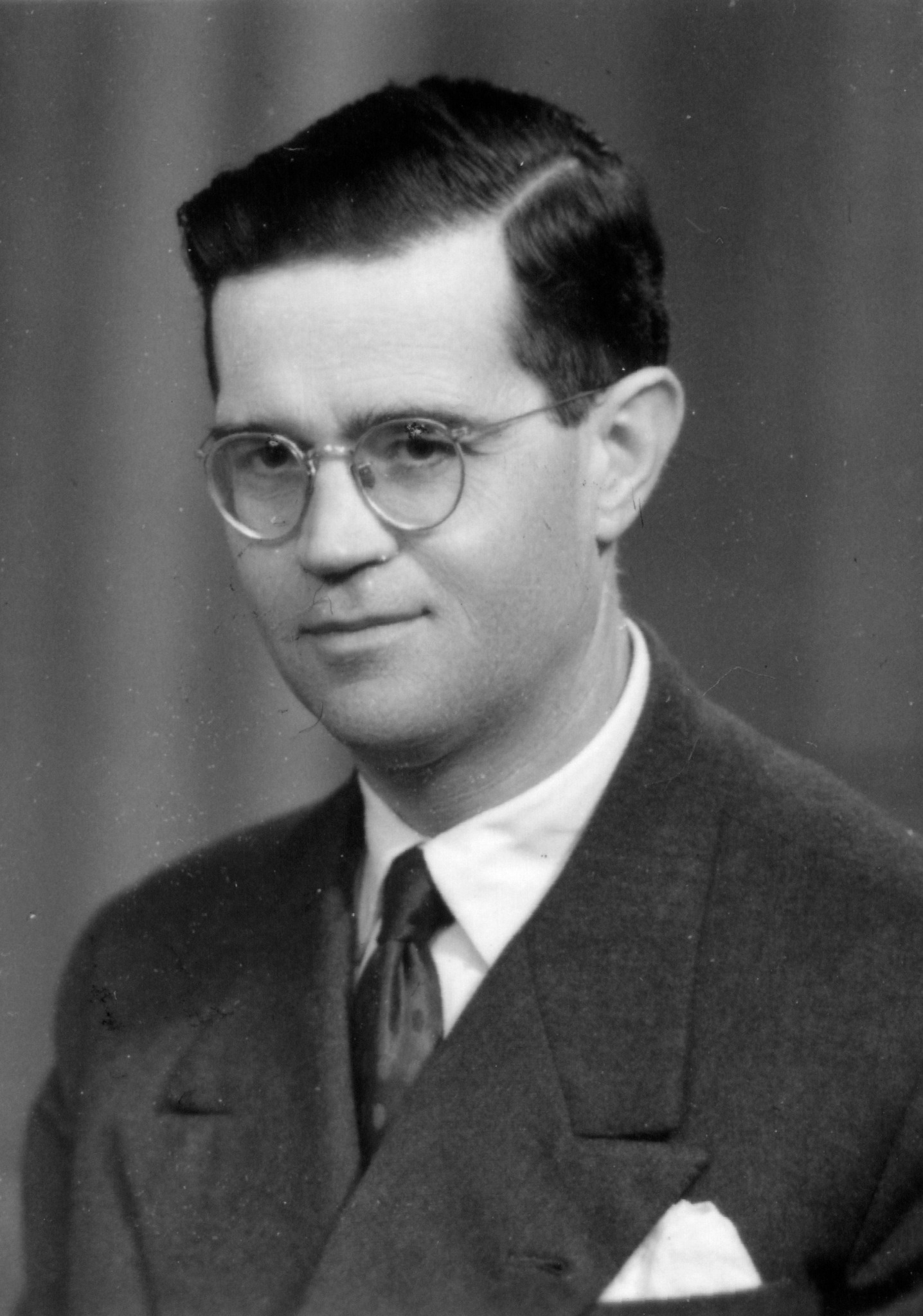
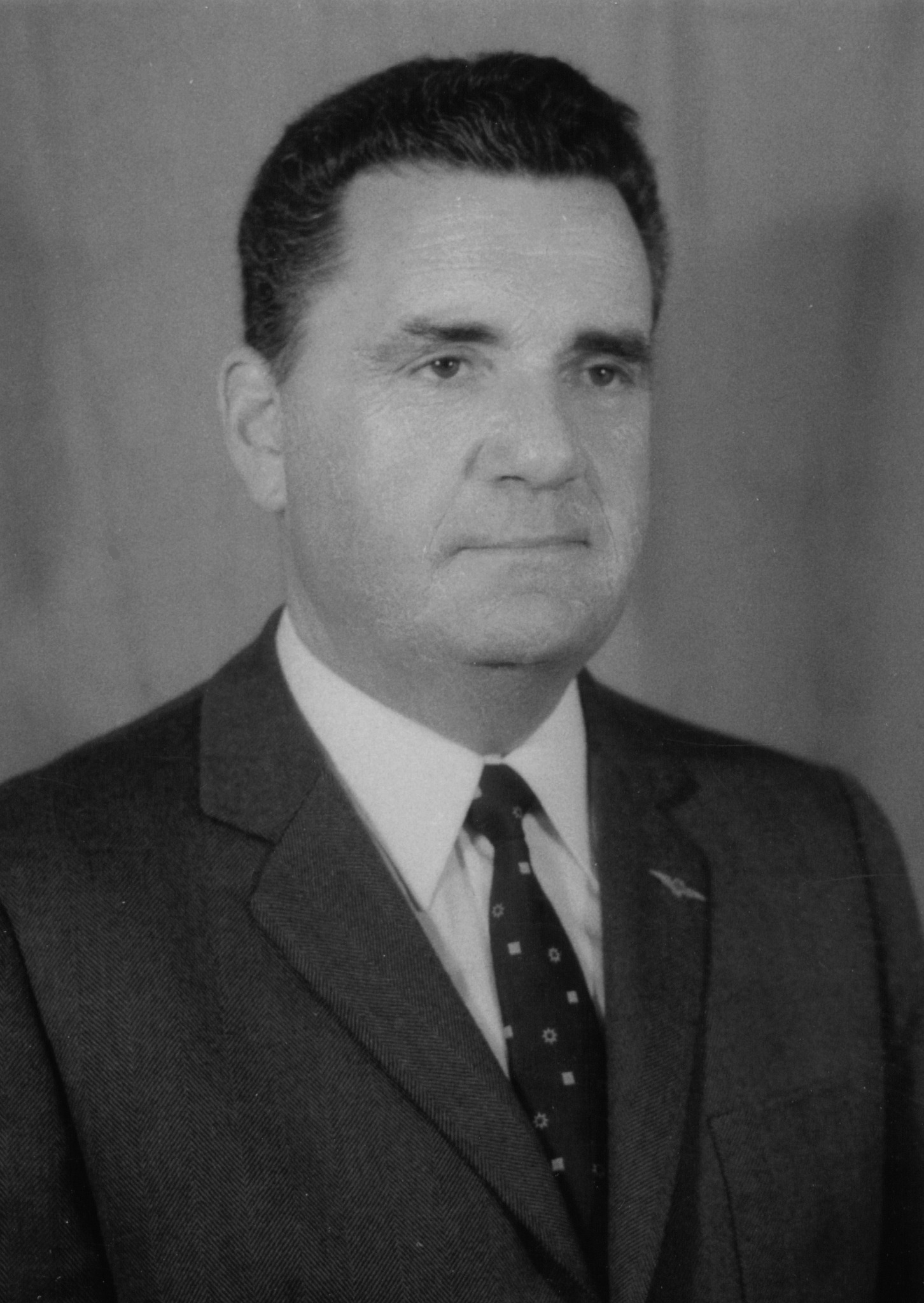
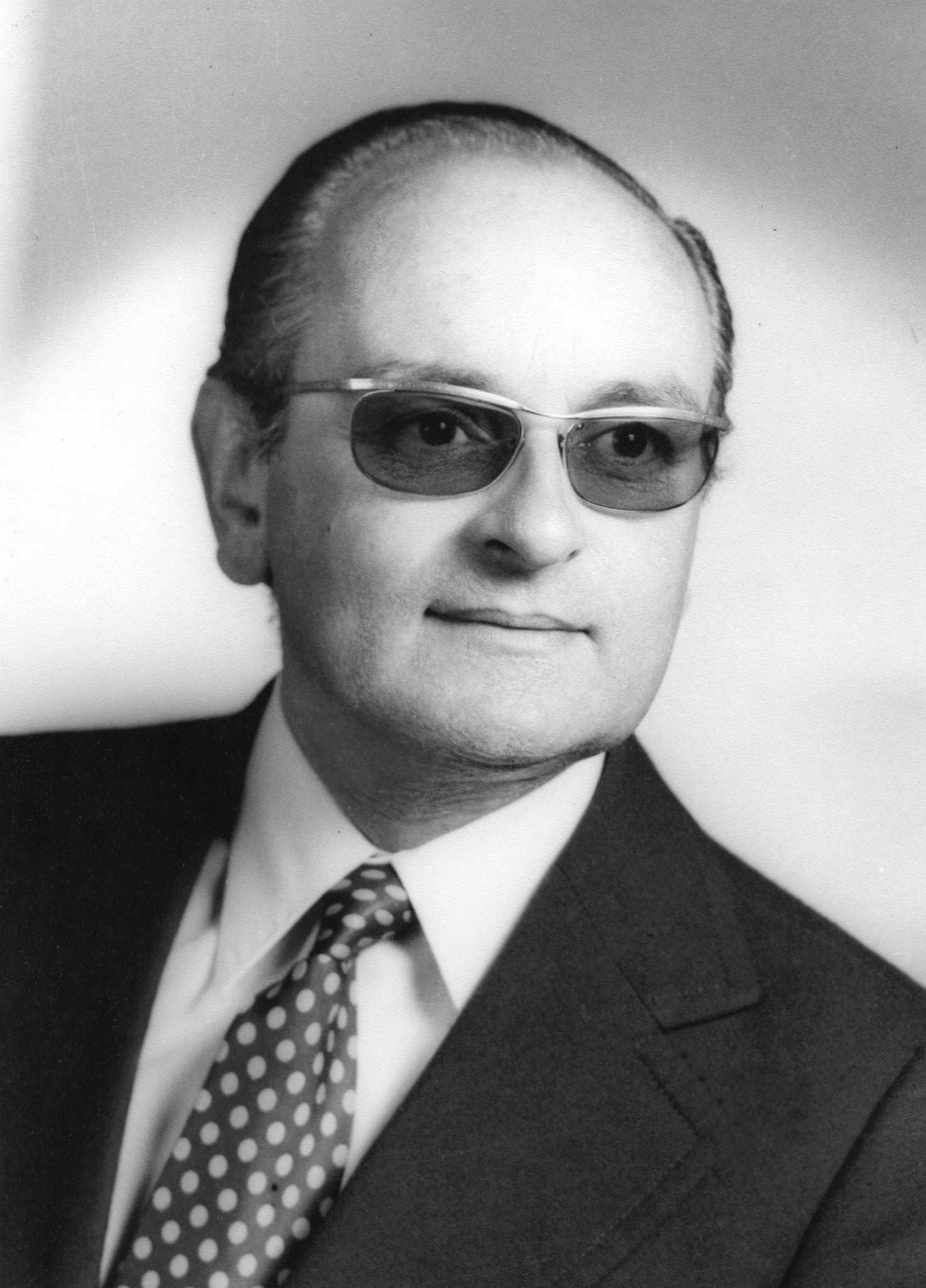
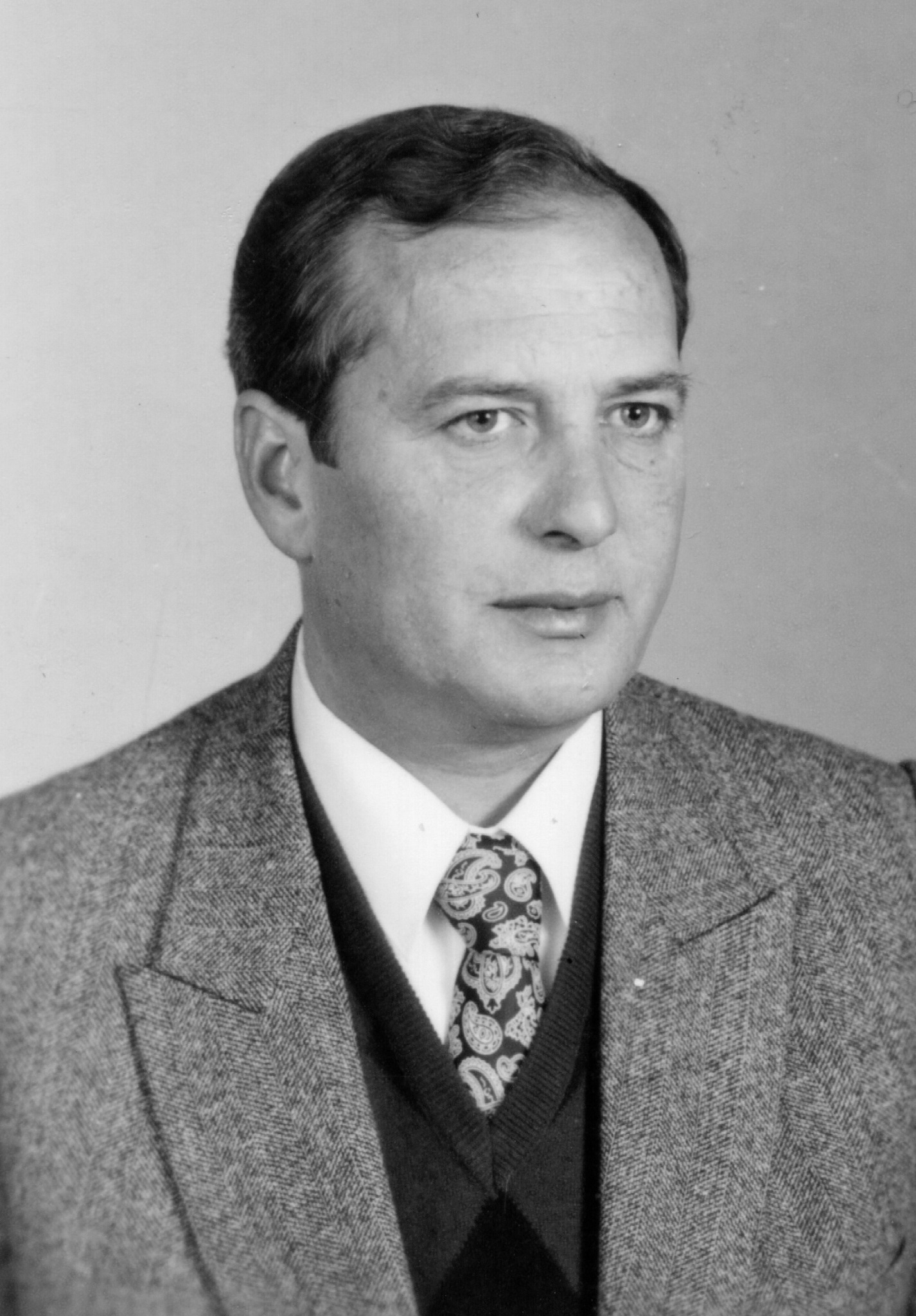
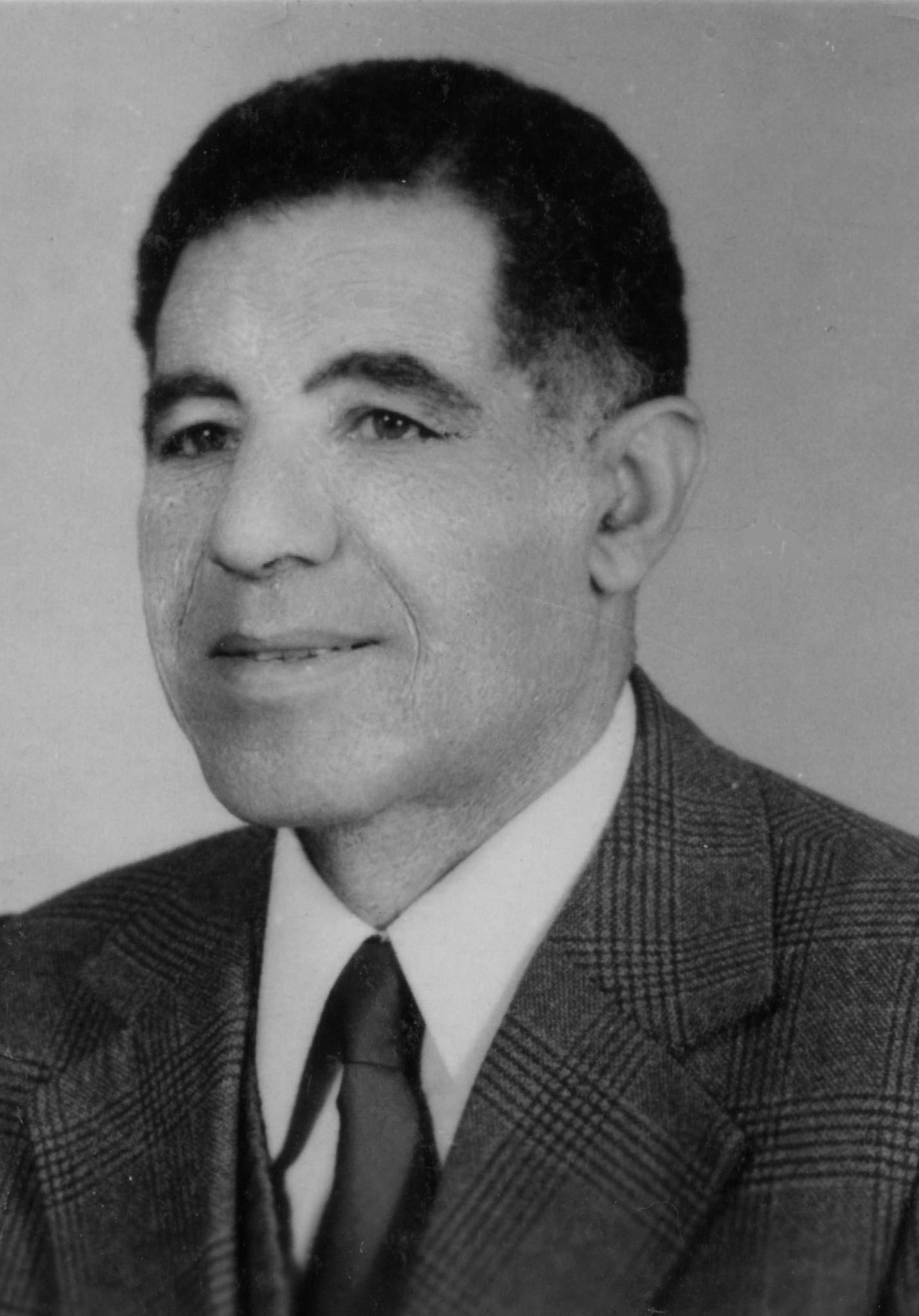
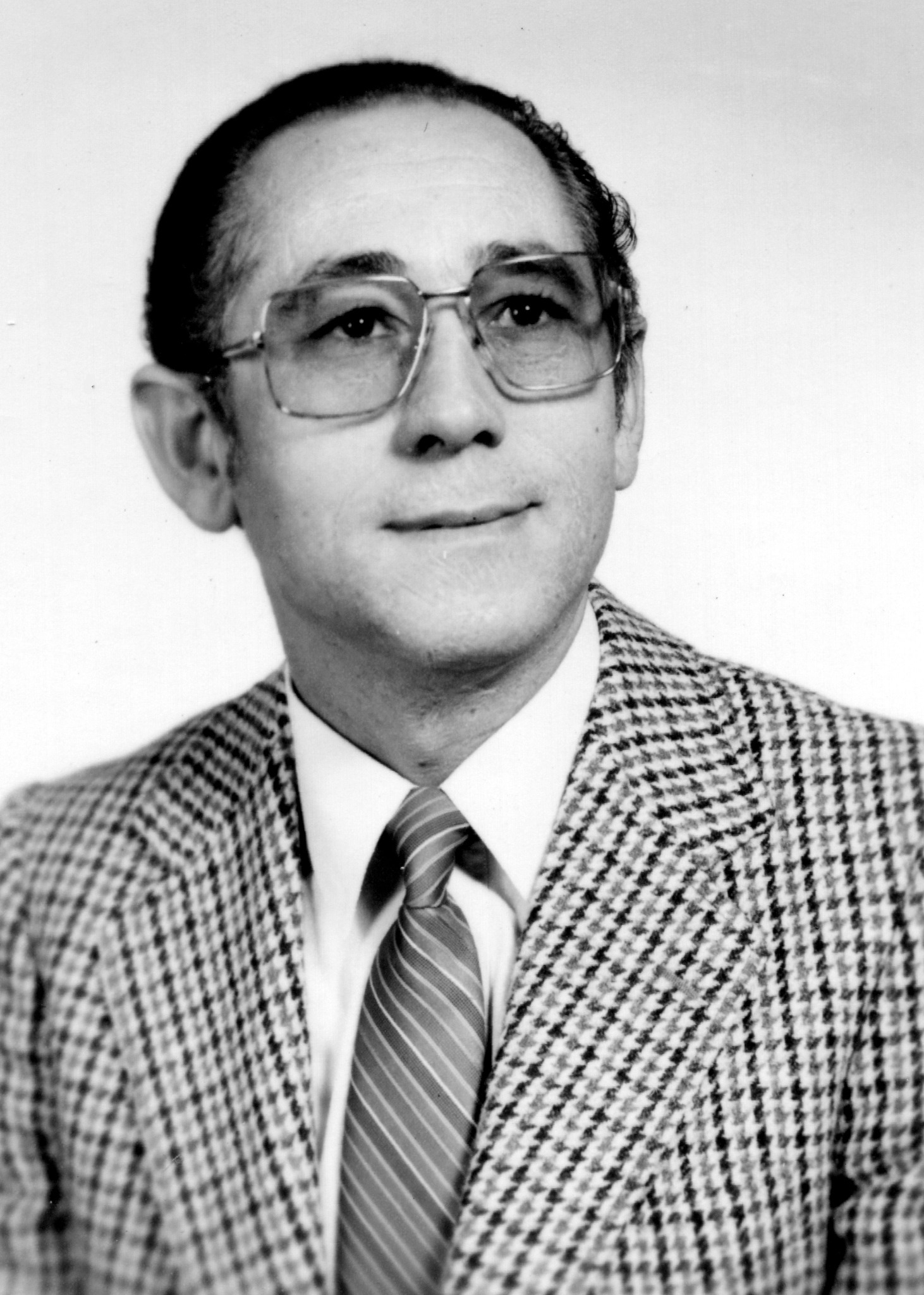

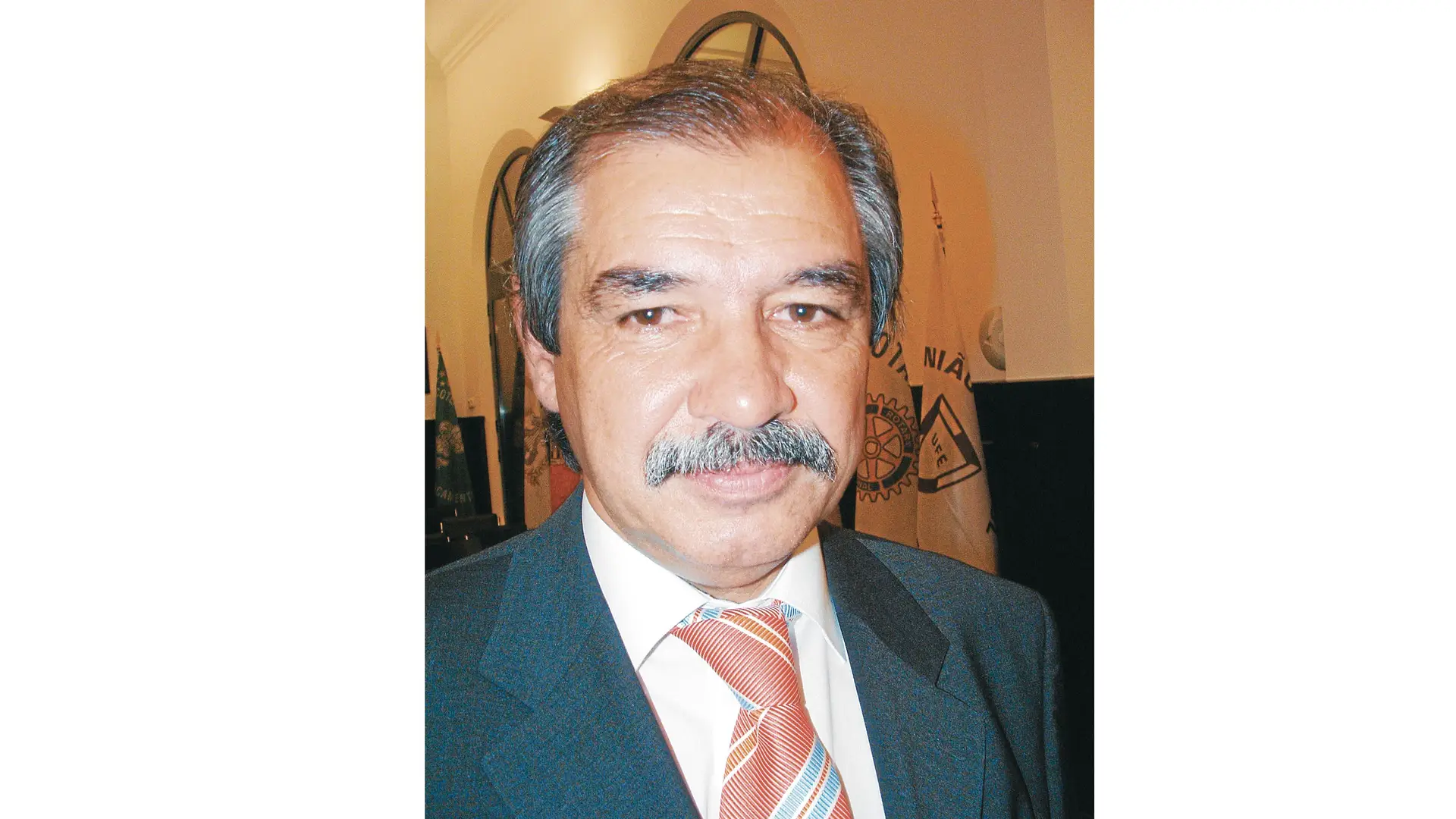


Descriptions and dates are drawn from municipal, official-gazette and local-government sources. The historical register is used with the date qualifications stated above.
Portraits include photographs supplied by the website owner and images credited to their published sources. Supplied photographs are identified by their filenames; their original photographers and licences were not provided. Open a portrait to see the complete image.
Heraldic illustrations: A. Sérgio Horta / Heráldica Portuguesa de Domínio. These are illustrations of the historic and current designs, not scans dated 1946 or 1992. Image formats were converted for this guide.