

Read biography
The Lisbon-born architect and filmmaker helped shape the city’s railway landscape. Working with Luís da Cunha, he designed Bairro Camões and its school. His railway work combined practical buildings with architectural ambition; these projects remain an important part of Entroncamento’s built heritage.
Life and work
Railway heritage records date the Escola Camões project to 1923–1928 and Bairro Camões to 1924–1927. His wider railway work included Lisbon's Sul e Sueste river terminal and stations elsewhere in Portugal. Cinema was another part of his practice: he directed A Canção de Lisboa, released at the São Luiz in November 1933. He later documented railway workers and infrastructure in Gente de Via and Máquinas e Maquinistas, both from 1938, and Obras de Arte from 1939. These works connect his architecture with the working environment of the railway.
Origins and early career
The CP memorial records that he completed architecture at Lisbon’s School of Fine Arts in 1920. In Entroncamento, his work with Luís da Cunha linked housing to schooling. The municipality describes Bairro Camões as influenced by garden-city models. The school’s institutional history is older than their building: an earlier project was approved in 1879 and the Camões name was adopted in 1880. Distinguishing the institution from the later building prevents the architects being credited with founding the school itself.
Legacy and later history
Beyond the railway towns, Cottinelli Telmo collaborated with sculptor Leopoldo de Almeida on the Padrão dos Descobrimentos for the Portuguese World Exhibition of 1940. The first monument was temporary. The durable reconstruction dates from 1960, twelve years after the architect’s death. The distinction is essential when reading photographs of the present monument: they show a later realization of a design associated with him, not a building completed during his lifetime. The project also belongs to the exhibition culture of the Estado Novo and should be understood in that political setting.
Chronology
- 1920
Completes architecture at Lisbon’s School of Fine Arts.
- 1923–1928
Escola Camões project period.
- 1924–1927
Bairro Camões project period.
- 1933-11-07
A Canção de Lisboa opens at the São Luiz.
- 1938–1939
Railway documentaries: Gente de Via, Máquinas e Maquinistas and Obras de Arte.
- 1940
Temporary Padrão dos Descobrimentos, with Leopoldo de Almeida.
- 1960
Posthumous reconstruction of the monument.
Preserved research & downloads
This downloadable dossier preserves our biography and citations, not a copy of every cited publication. External articles and videos remain with their publishers unless reuse is authorised. Saved files include their provenance and rights information.
Photos, documents & recordings
Source titles and image captions retain their original language.
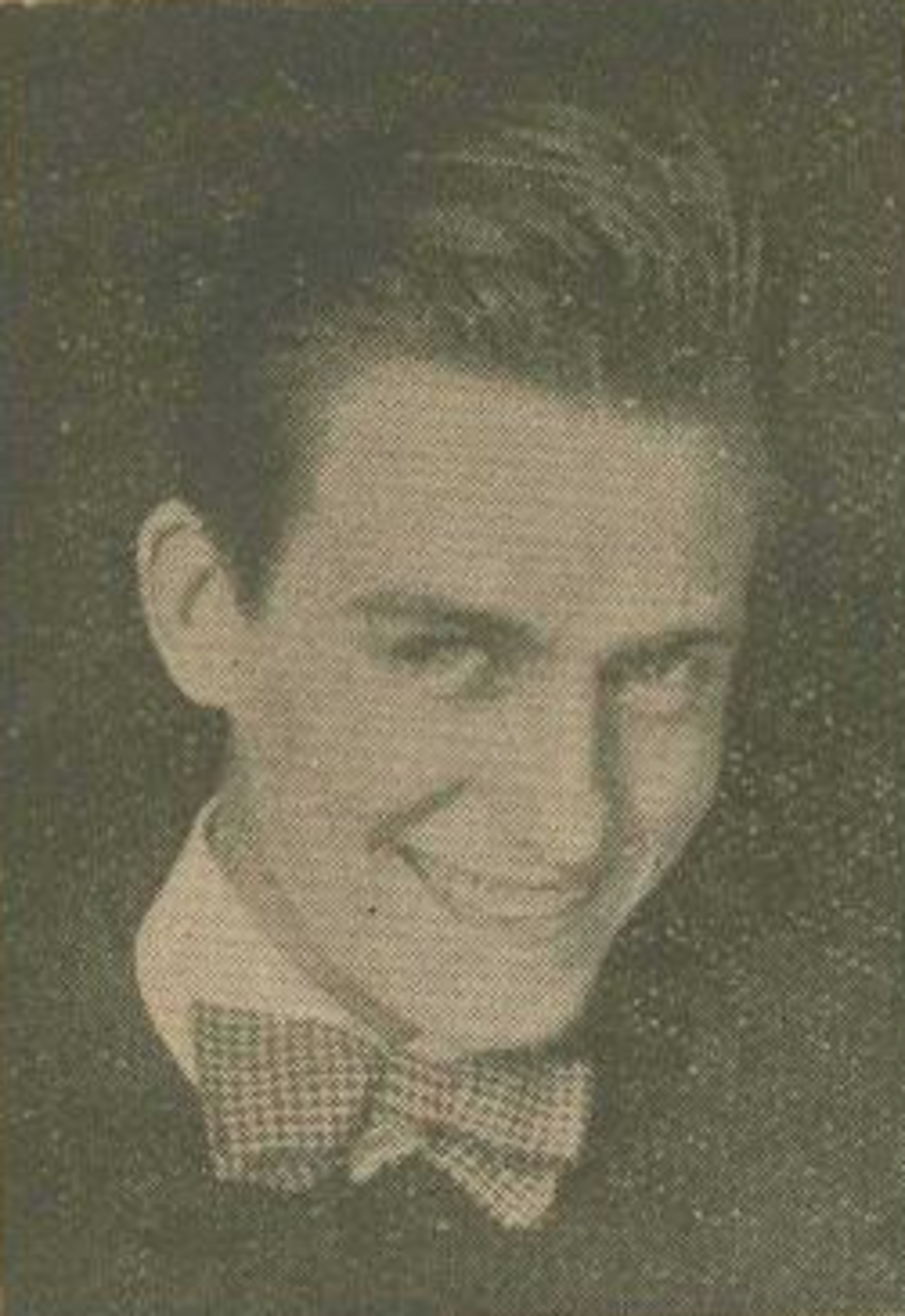
Unknown photographer / Hemeroteca Municipal de Lisboa via Wikimedia Commons · Public domain
Original source · Download image (915 KB)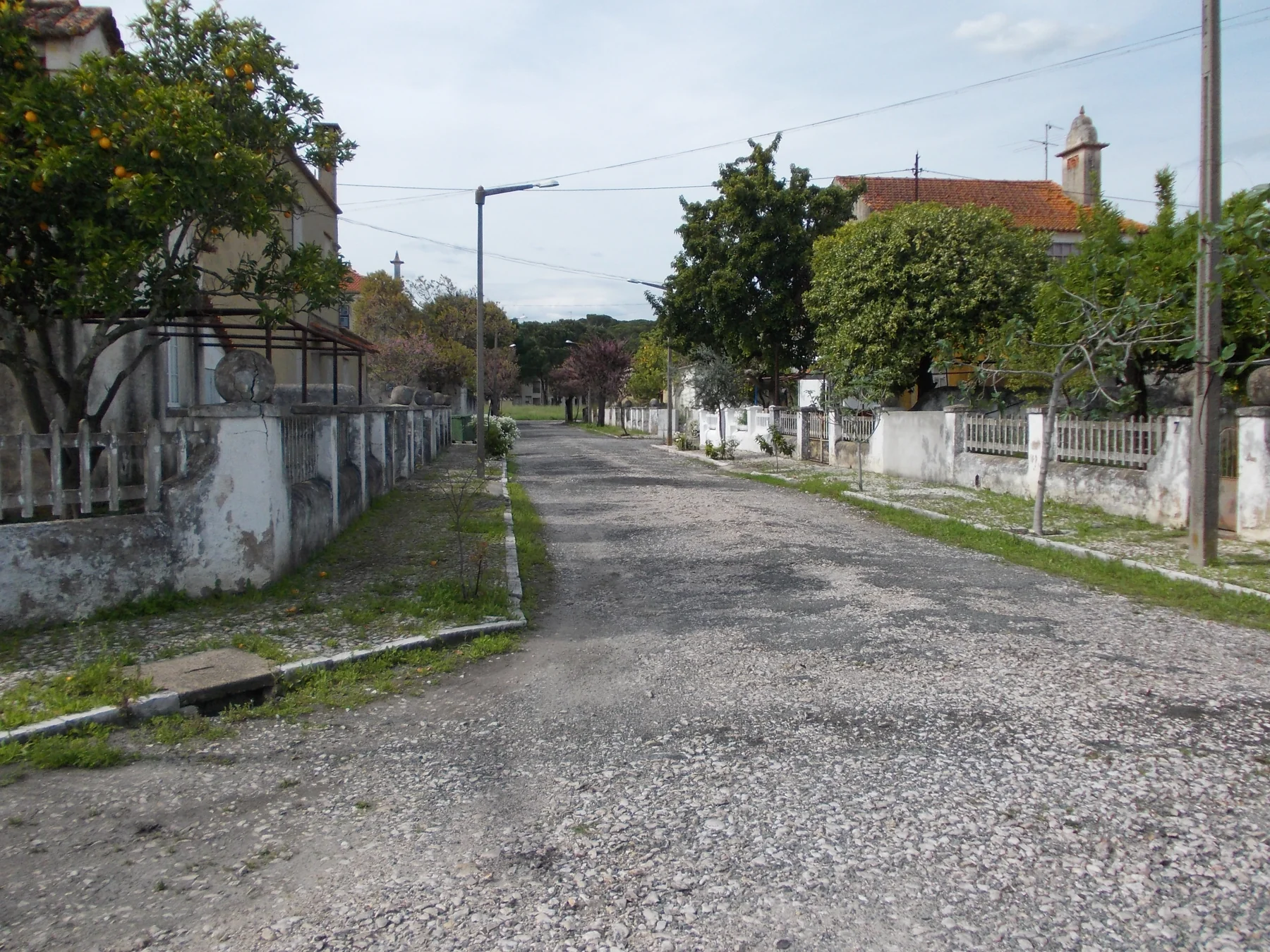
Protectportugal · CC0 1.0
CC0 1.0Existing site derivative, resized and converted to WebP. Original retrieval date not recorded.
Related place, not a portrait
Original source · Download image (537 KB).jpg)
Original source
- Municipal heritage
- Infraestruturas de Portugal
- Infraestruturas de Portugal — Rota dos Azulejos
- Cinemateca — A Canção de Lisboa
- CP — Boletim n.º 232, 1948, Cottinelli Telmo
- Município — património e Escola Camões
- Padrão dos Descobrimentos — história do monumento
- EGEAC — Padrão dos Descobrimentos
- Infraestruturas de Portugal — Rota dos Azulejos da Linha do Norte
Research notes
This is a developing research record. Unverified life details and dates are omitted; the cited sources define its current coverage.