
Read biography
An architect associated with the Portuguese railway company, Luís da Cunha worked with Cottinelli Telmo on the Camões neighbourhood and school. Their project links housing, education and the everyday needs of the railway community. The municipality identifies both architects as the authors of this distinctive local heritage.
Life and work
The municipality's heritage account identifies Cunha and Cottinelli Telmo as collaborators and mentions their article on workers' housing and school construction in Arquitectura. Council minutes of 3 March 2015 again name both architects as designers of the former school in Bairro Camões, during discussion of the site's purchase. This documentary trail supports the attribution of the local work. It does not establish a full personal chronology: verified birth and death dates, education and a wider catalogue of projects remain research gaps. He should not be confused with the earlier diplomat of the same name.
Works and achievements
Bairro Camões is a documented collaboration with Cottinelli Telmo, rather than a work that should be attributed to one architect alone. The municipal account connects its layout with garden-city ideas and dates the neighbourhood’s construction to 1926. The railway heritage guide gives broader project ranges for the neighbourhood and school. These dates describe different stages of design and construction, not necessarily a contradiction. The school replaced an earlier railway-company institution; its history cannot be reduced to the age of the surviving building.
Legacy and later history
Municipal records keep the joint attribution visible long after construction. In March 2015, discussion of purchasing Bairro Camões identified the former school as the work of Cunha and Cottinelli Telmo and recorded its municipal lease from 1 January 1972. A December 2019 planning discussion again named both architects. These later records concern management and conservation of their work; they do not demonstrate that Cunha was personally involved in those later decisions.
Chronology
- 1923–1928
Escola Camões project with Cottinelli Telmo.
- 1926
Municipal account dates Bairro Camões construction to this year.
- 1972-01-01
Later heritage history: municipal lease of the former school begins.
- 2015-03-03
Council minutes reaffirm the joint architectural attribution.
- 2019-12-02
A later planning record again names both architects.
Preserved research & downloads
This downloadable dossier preserves our biography and citations, not a copy of every cited publication. External articles and videos remain with their publishers unless reuse is authorised. Saved files include their provenance and rights information.
Photos, documents & recordings
Source titles and image captions retain their original language.
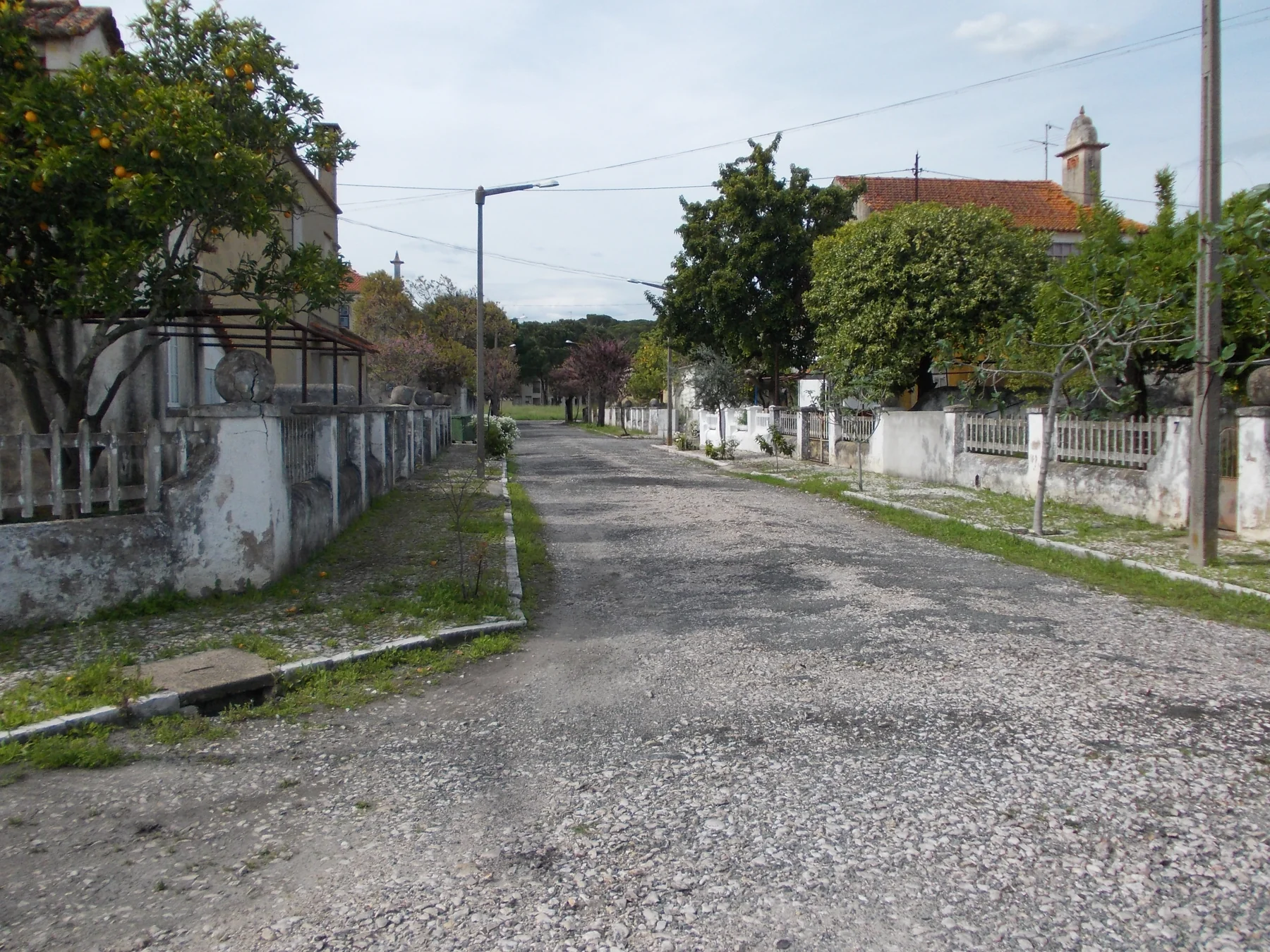
Protectportugal · CC0 1.0
CC0 1.0Existing site derivative, resized and converted to WebP. Original retrieval date not recorded.
Related place, not a portrait
Original source · Download image (537 KB).jpg)
Original source
Research notes
This is a developing research record. Unverified life details and dates are omitted; the cited sources define its current coverage.
A verified portrait, civil life dates and an independently documented education remain missing. The securely attributed local buildings are the basis of this profile. Unrelated diplomats and other people named Luís da Cunha are excluded.