
Life and public service
The first president of the new municipality, established in November 1945. The municipal-library chronology begins his term in 1946; the academic register uses 1945. A March 1946 official notice confirms him in office.
[1][2][3]Education and professional career
Before leading Entroncamento, Jacinto Marques Agostinho was already a municipal president in neighbouring Vila Nova da Barquinha. A notice signed on 31 October 1944 records him in that office. A separate notice signed in Entroncamento on 13 June 1946 documents his presidency of the newly independent municipality. These contemporary records establish a public career spanning both councils.
[4][5]Dates and the historical record
The academic register begins his term in 1945, while the municipal-library chronology gives 1946–1947. A 2009 report on the tribute to José Duarte Coelho recalls that Coelho initially declined the presidency and proposed Agostinho, then succeeded him when illness forced his departure. These accounts should not be reduced to an invented exact inauguration date.
[2][1][6]Public life and debate
Manuela Poitout’s history of local policing reproduces a 1936 newspaper account crediting the Barquinha council under Jacinto Marques Agostinho with supporting a police post in Entroncamento. This places his public activity before the creation of the municipality.
[7]What the documents establish
Decree-Law 35184, published on 24 November 1945, created the municipality from the existing parish. It scheduled the first municipal council meeting for 19 December. This establishes the legal setting of the first presidency, but does not name Agostinho or prove when he personally took office. A two-page extract containing the complete decree can be downloaded below.
[8]Chronology
- 1944
An official notice identifies him as president of Vila Nova da Barquinha.
[4] - 1945-11-24
Publication of the decree creating the municipality; it does not name the first mayor.
[8] - 1945 / 1946
Beginning of the Entroncamento presidency: the historical register and library chronology differ.
[2][1] - 1946-06-13
Signs a notice as president of Entroncamento, published on 25 June.
[5] - 1947
His presidency ends; José Duarte Coelho succeeds him.
[6][2]
Photos, documents & recordings
The material below is a selected, documented collection, not a claim that every surviving record has been found. Most originals are in Portuguese.
Portrait — Jacinto Marques Agostinho
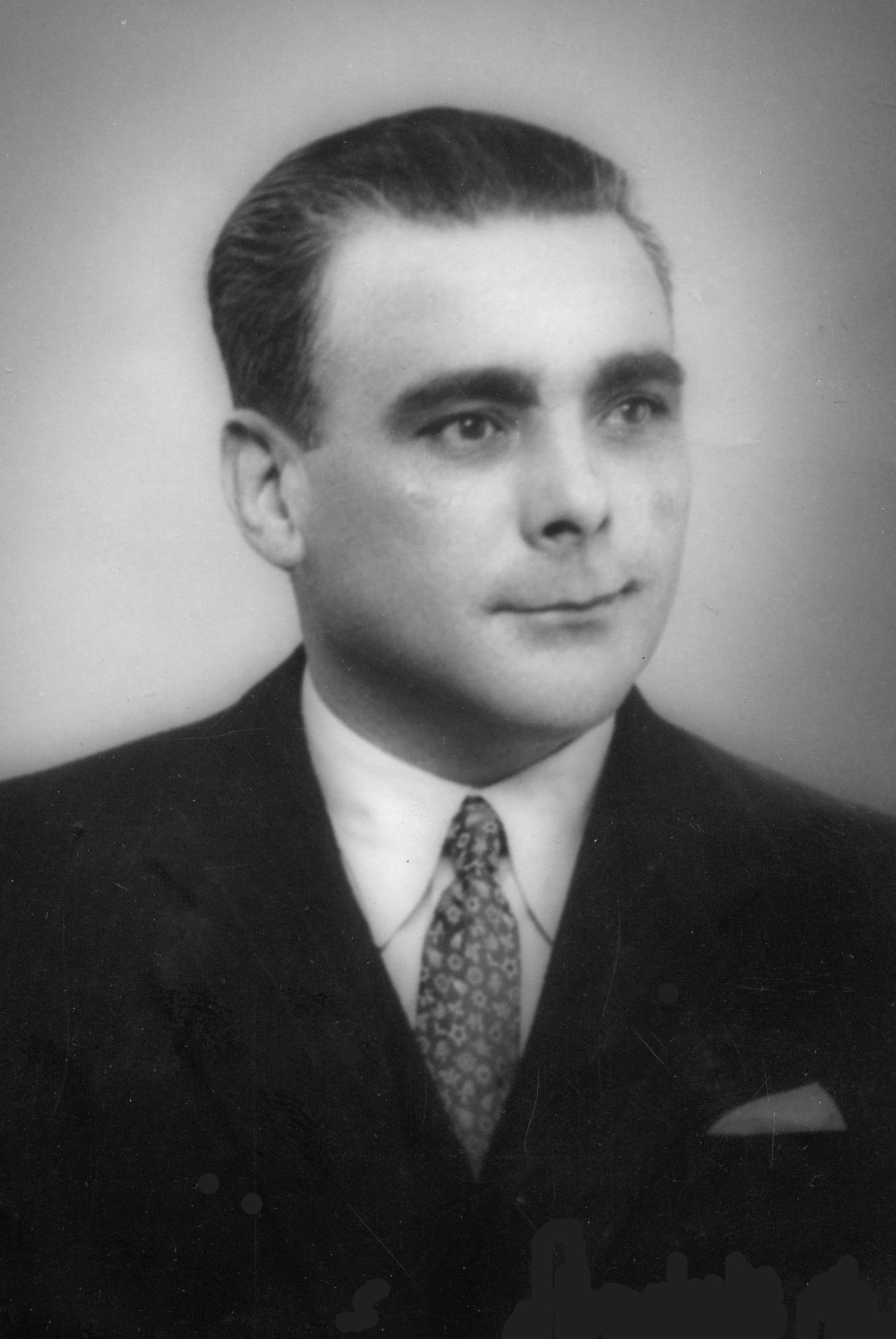
Photograph supplied by the website owner; original photographer and reuse licence not supplied.
View full photograph ↗Diário do Governo — 6 de novembro de 1944, p. 2355
files.diariodarepublica.pt
Open at the source ↗[4]Diário do Governo — 25 de junho de 1946, p. 1673
files.diariodarepublica.pt
Open at the source ↗[5]José Duarte Coelho: busto e debate público — O MIRANTE, 2009
omirante.pt
Open at the source ↗[6]Manuela Poitout — história da polícia local e imprensa de 1936, EOL
entroncamentoonline.pt
Open at the source ↗[7]Diário do Governo — Decreto-Lei n.º 35184, 24 de novembro de 1945, pp. 974–975
files.diariodarepublica.pt
Open at the source ↗[8]Preserved research & downloads
This downloadable dossier preserves our biography and citations, not a copy of every cited publication. External articles and videos remain with their publishers unless reuse is authorised. Saved files include their provenance and rights information.
Photos, documents & recordings
Source titles and image captions retain their original language.
Diário do Governo / Portuguese Republic · Official legislative text — CDADC Article 8
Two-page extract (PDF pages 2–3) from the 20-page official issue. Includes the complete decree and adjacent legislative text. No annotation, OCR or retouching. Portuguese original; not a translated or complete-issue copy.
Original source · Documents & articles (PDF) (454 KB)Sources & further reading
- Biblioteca do Entroncamento — Presidentes da Câmara Municipalwikitejo.mediotejo.pt
- Maria Antónia Pires de Almeida — O poder local do Estado Novo à democracia, p. 280repositorio.iscte-iul.pt
- Documentary sourcefiles.diariodarepublica.pt
- Diário do Governo — 6 de novembro de 1944, p. 2355files.diariodarepublica.pt
- Diário do Governo — 25 de junho de 1946, p. 1673files.diariodarepublica.pt
- José Duarte Coelho: busto e debate público — O MIRANTE, 2009omirante.pt
- Manuela Poitout — história da polícia local e imprensa de 1936, EOLentroncamentoonline.pt
- Diário do Governo — Decreto-Lei n.º 35184, 24 de novembro de 1945, pp. 974–975files.diariodarepublica.pt
Research notes
This is a sourced research dossier. Contemporary records, later historical accounts and personal recollections are distinguished where they differ. An announced project is not treated as a completed achievement. Linked catalogues may describe documents that are not available as digital scans.
- Birth, education and family details have not all been independently established. Unverified personal details are omitted.
- Some sources use an election year, others the year of taking office. The chronology explains the unresolved dates.