
Life and public service
Poitout led the council during the final years of the Estado Novo. The municipal chronology starts in 1962; the academic register uses 1961. The municipal library opened on 29 May 1965 during his administration, an enduring part of the city’s cultural life.
[1][2][3]The municipality and its public works
The municipal-library historical overview associates his administration with a second water reservoir, a GNR building, public toilets, daily refuse collection and the viaduct bearing his name. These works addressed the practical difficulties of a settlement divided by railway lines. The account documents infrastructure associated with his administration rather than proving that every project was conceived or completed by him alone.
[4]Legacy and public memory
In a 2006 interview, local historian Manuela Poitout explained that inheriting her father-in-law Eugénio’s documentary and photographic archive helped initiate her research into Entroncamento. This establishes a route by which material from his public life entered later local-history work. It does not establish that the complete private collection has been digitised or made publicly accessible.
[5]The municipality and its public works
In a 2016 retrospective interview, teacher and local historian Manuela Poitout credited his efforts and contacts with opening a local technical-school branch in the 1964/65 school year. She linked the initiative to apprentices previously travelling to Tomar or Torres Novas. This is attributed testimony, not a surviving appointment or inauguration record.
[6]Chronology
- 1961 / 1962
Different published start years; his term spans most of the 1960s.
[2][1] - 1964 / 1965
A later interview credits him with helping establish local technical education in this school year.
[6] - 1965 – 1970
Decision and completion dates given for the road crossing project in the municipal exhibition synopsis.
[7] - 1974
Fernando Gomes dos Santos, previously vice-president, succeeds him.
[7]
Photos, documents & recordings
The material below is a selected, documented collection, not a claim that every surviving record has been found. Most originals are in Portuguese.
Portrait — Eugénio Dias Poitout
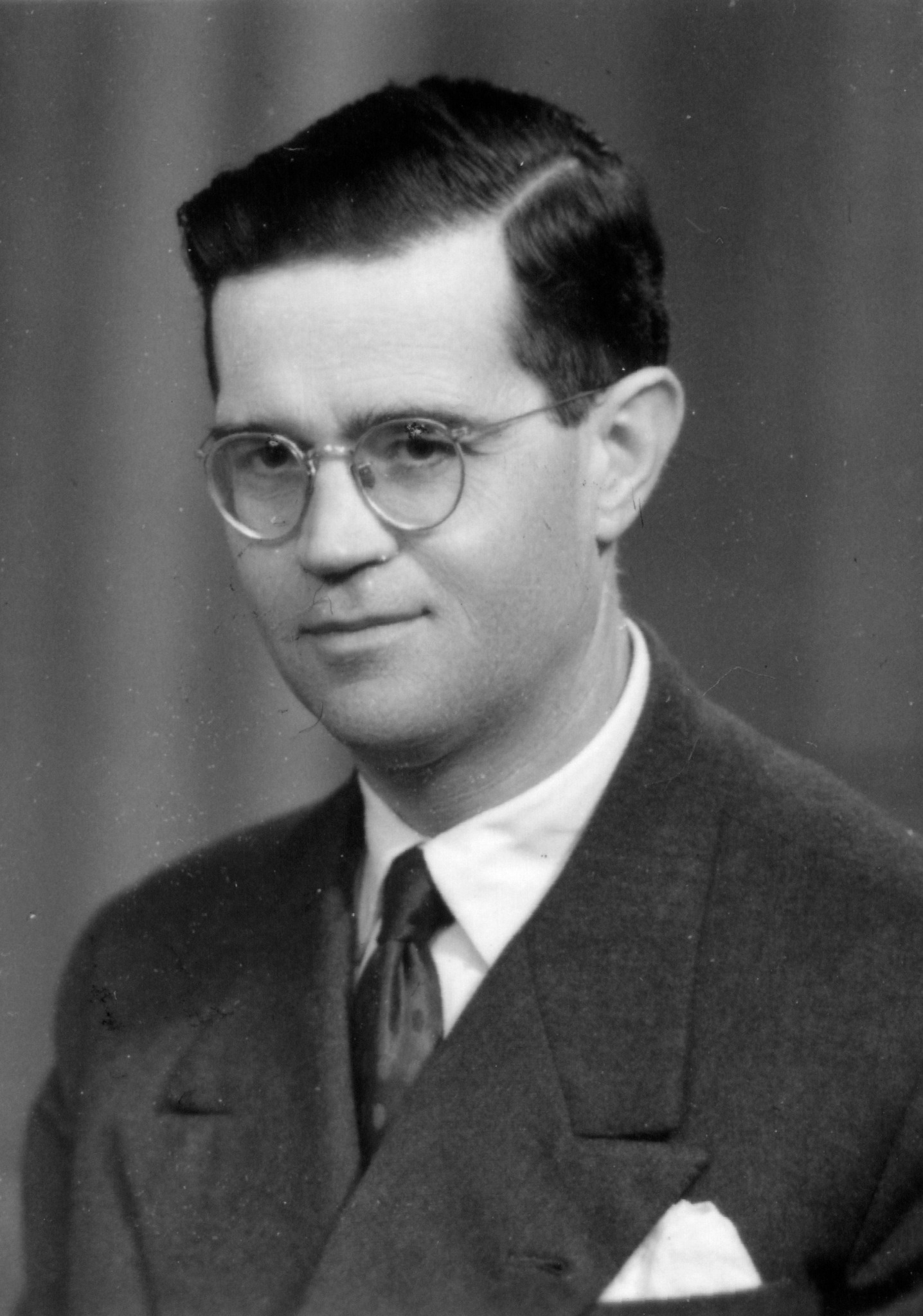
Photograph supplied by the website owner; original photographer and reuse licence not supplied.
View full photograph ↗Biblioteca / WikiTejo — Entroncamento: breve história das origens
wikitejo.mediotejo.pt
Open at the source ↗[4]Manuela Poitout e o arquivo familiar — O MIRANTE, 2006
omirante.pt
Open at the source ↗[5]Entroncamento 1965–1975 — sinopse da exposição municipal de 2017
mediotejo.net
Open at the source ↗[7]Manuela Poitout: história e ensino — Médio Tejo, 14 de dezembro de 2016
mediotejo.net
Open at the source ↗[6]Preserved research & downloads
This downloadable dossier preserves our biography and citations, not a copy of every cited publication. External articles and videos remain with their publishers unless reuse is authorised. Saved files include their provenance and rights information.
Sources & further reading
- Biblioteca do Entroncamento — Presidentes da Câmara Municipalwikitejo.mediotejo.pt
- Maria Antónia Pires de Almeida — O poder local do Estado Novo à democracia, p. 280repositorio.iscte-iul.pt
- Documentary sourcewikitejo.mediotejo.pt
- Biblioteca / WikiTejo — Entroncamento: breve história das origenswikitejo.mediotejo.pt
- Manuela Poitout e o arquivo familiar — O MIRANTE, 2006omirante.pt
- Manuela Poitout: história e ensino — Médio Tejo, 14 de dezembro de 2016mediotejo.net
- Entroncamento 1965–1975 — sinopse da exposição municipal de 2017mediotejo.net
Research notes
This is a sourced research dossier. Contemporary records, later historical accounts and personal recollections are distinguished where they differ. An announced project is not treated as a completed achievement. Linked catalogues may describe documents that are not available as digital scans.
- Birth, education and family details have not all been independently established. Unverified personal details are omitted.
- Further detail would require consulting the municipal or family archive; a reference to an archive does not mean its contents are digitised here.